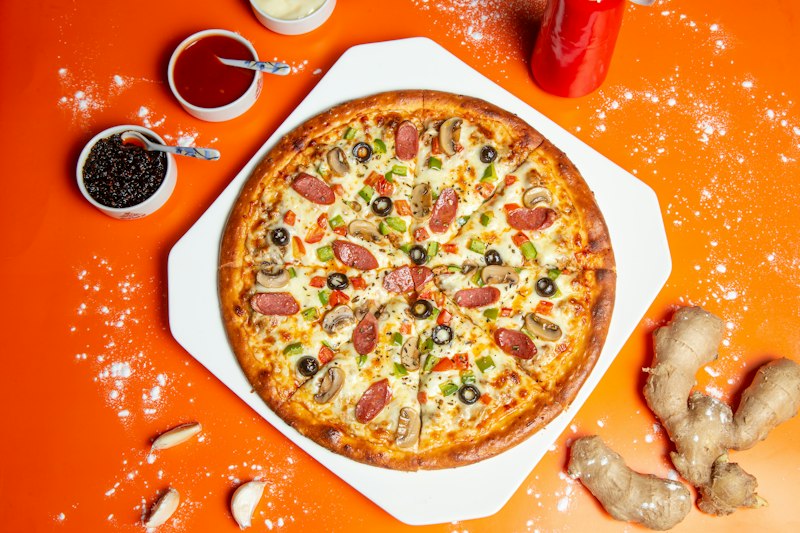
Pizza style is a regional identifier, a cooking method, and a texture preference all rolled into one. Understanding the differences will help you order the right pie for your mood and recognize what each restaurant in our directory is actually good at.
New York-style: Large, thin slices that fold easily. The crust is crisp along the edge and chewy underneath. Cooked in a gas deck oven at high temperature. New York-style is the most common pizza in America and dominates the menu boards of most independent pizzerias in North Georgia.
Neapolitan: The original pizza. Cooked in a wood-fired oven at 800-plus degrees for about 90 seconds. The crust is soft, puffy, and lightly charred. Toppings are minimal — San Marzano tomatoes, fresh mozzarella, basil, olive oil. Fewer restaurants in North Georgia make true Neapolitan because the oven is expensive and the technique takes practice.
Sicilian / Grandma style: Thick, rectangular pizza with a focaccia-like crust. The dough is proofed longer and baked in a pan with olive oil, producing a crunchy bottom and airy interior. Toppings go on top of the cheese rather than under it. The square slice is filling and sturdy.
Detroit-style: A thick, rectangular pizza cooked in a blue steel pan. The cheese goes edge-to-edge, creating a caramelized cheese crust along the sides. The sauce is typically applied in stripes on top after baking. Detroit-style has become more popular nationally in recent years, and a few mountain restaurants have adopted it.
Thin crust / Tavern style: Crackery-thin crust cut into squares. Common in the Midwest and in Southern restaurants using conveyor ovens. The crust stays crisp even with toppings, making it a good choice for takeout that needs to survive a car ride back to a cabin.